
One of the best ways to support recycling in Australia is to make sure the right materials go into the right bin.
A common problem in household recycling is contamination. When the wrong items end up in the recycling bin, they can reduce the quality of the material collected and in some cases cause loads to be rejected.
How AI Is Revolutionising Recycling Management
From advanced sorting robots to predictive analytics and smart bin networks, AI is reshaping how waste is managed and resources are recovered, making processes more efficient and cost effective.
Traditional recycling processes implemented to date have been labour-intensive and limited by human speed and accuracy, but these are beginning to give way to intelligent systems powered by artificial intelligence (AI).
Why the National Waste Policy Action Plan 2024 Matters to Everyday Australians
The National Waste Policy Action Plan 2024 has set a roadmap to do exactly that — and it’s not just for policymakers. It is designed to create usable guidelines for individuals. communities, families, and businesses can adopt. It’s important that we all understand the role we can play in helping our nation meet its sustainability goals.
Pioneering a sustainable future through innovative waste management trends
Germany, Japan and Sweden are just a few of the countries nailing construction and demolition sorting to create innovative outcomes for citizens.
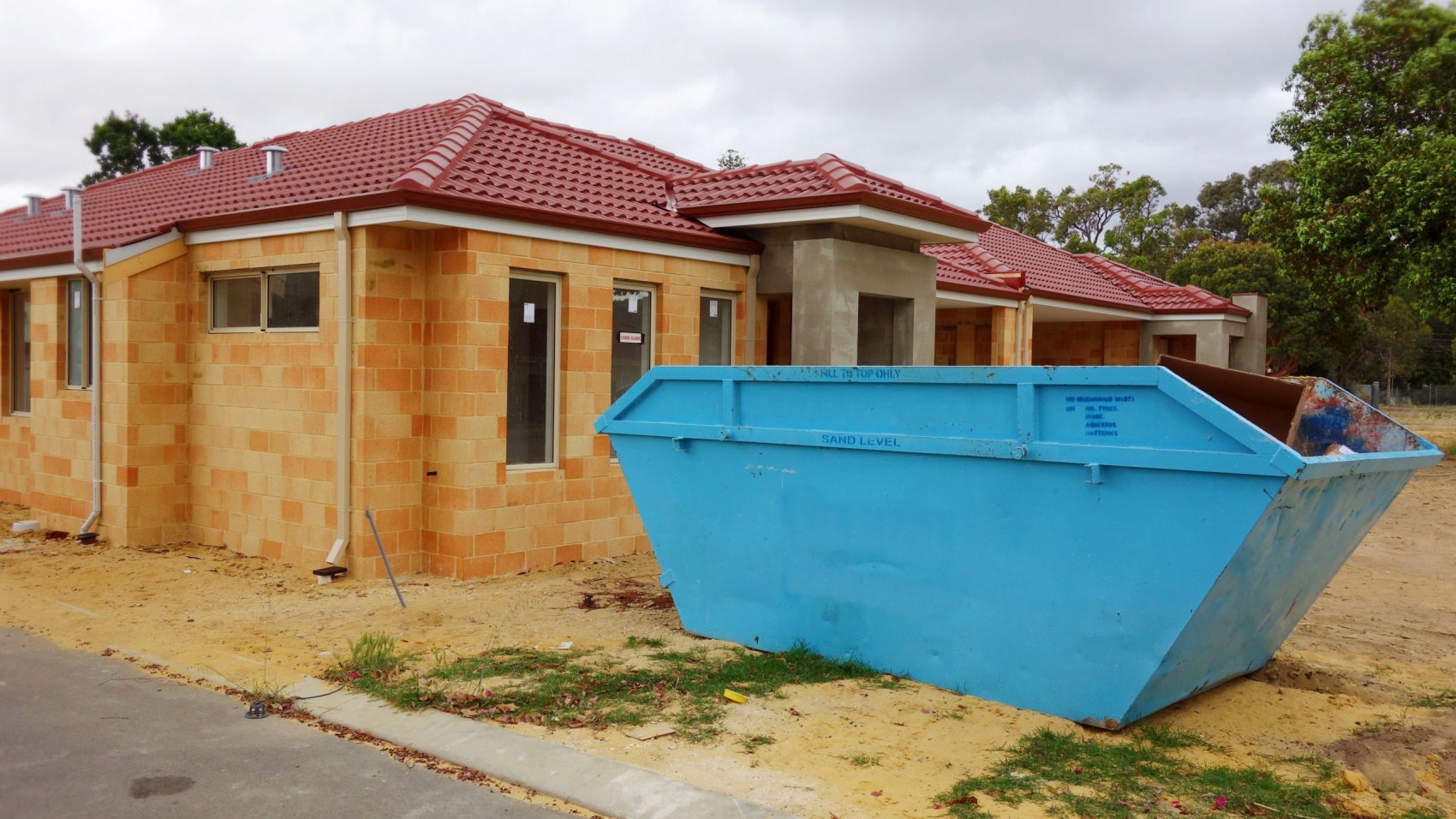
With the Australian construction industry spending a whopping 2 billion on waste removal annually and producing 12.7 million tonnes of waste a year, the role of C&D sorting has never been more important.
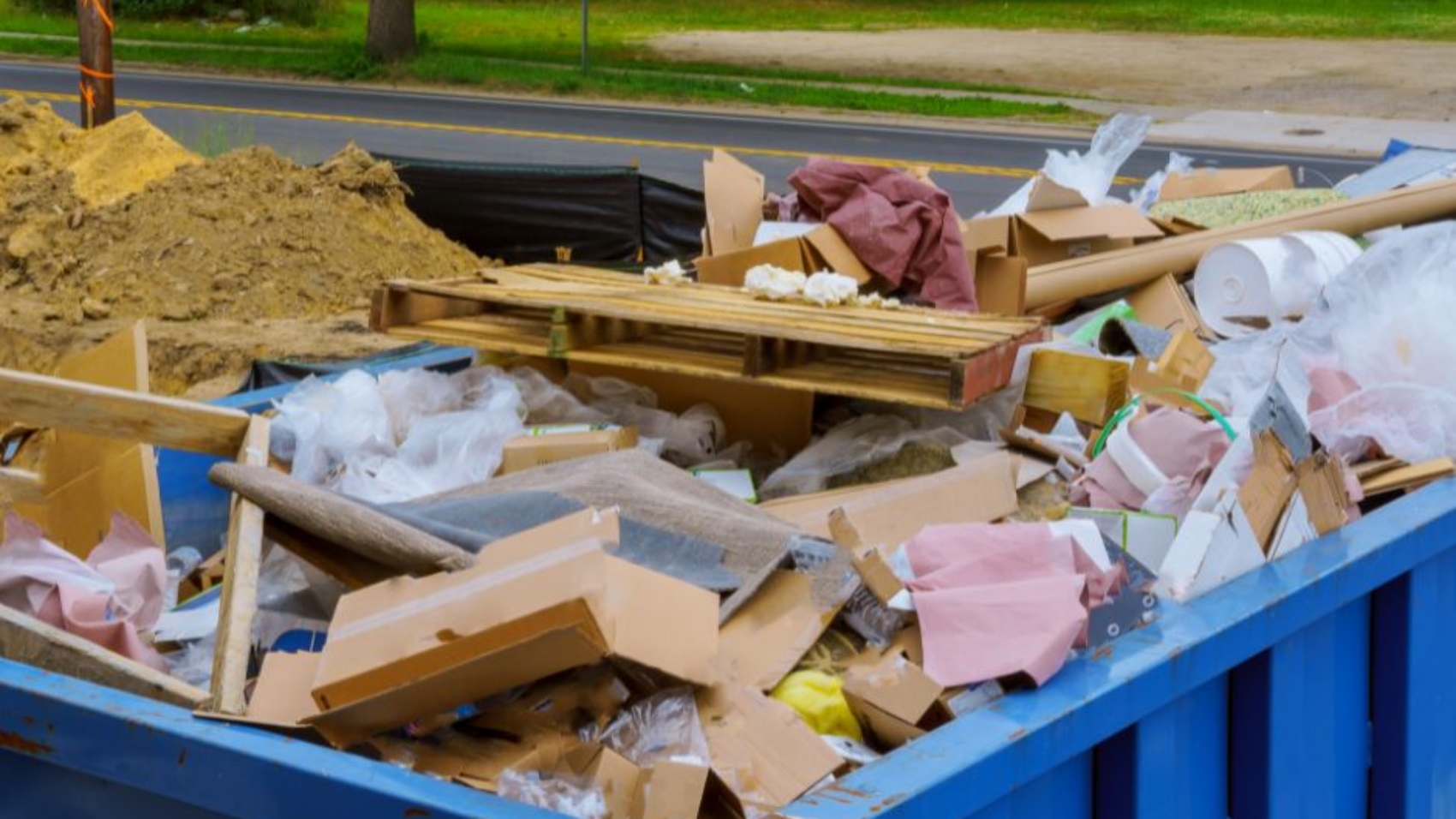
How can Australia achieve global best practice when it comes to C&D waste?
Germany, Japan and Sweden are just a few of the countries nailing construction and demolition sorting to create innovative outcomes for citizens.
With the Australian construction industry spending a whopping 2 billion on waste removal annually and producing 12.7 million tonnes of waste a year, the role of C&D sorting has never been more important.
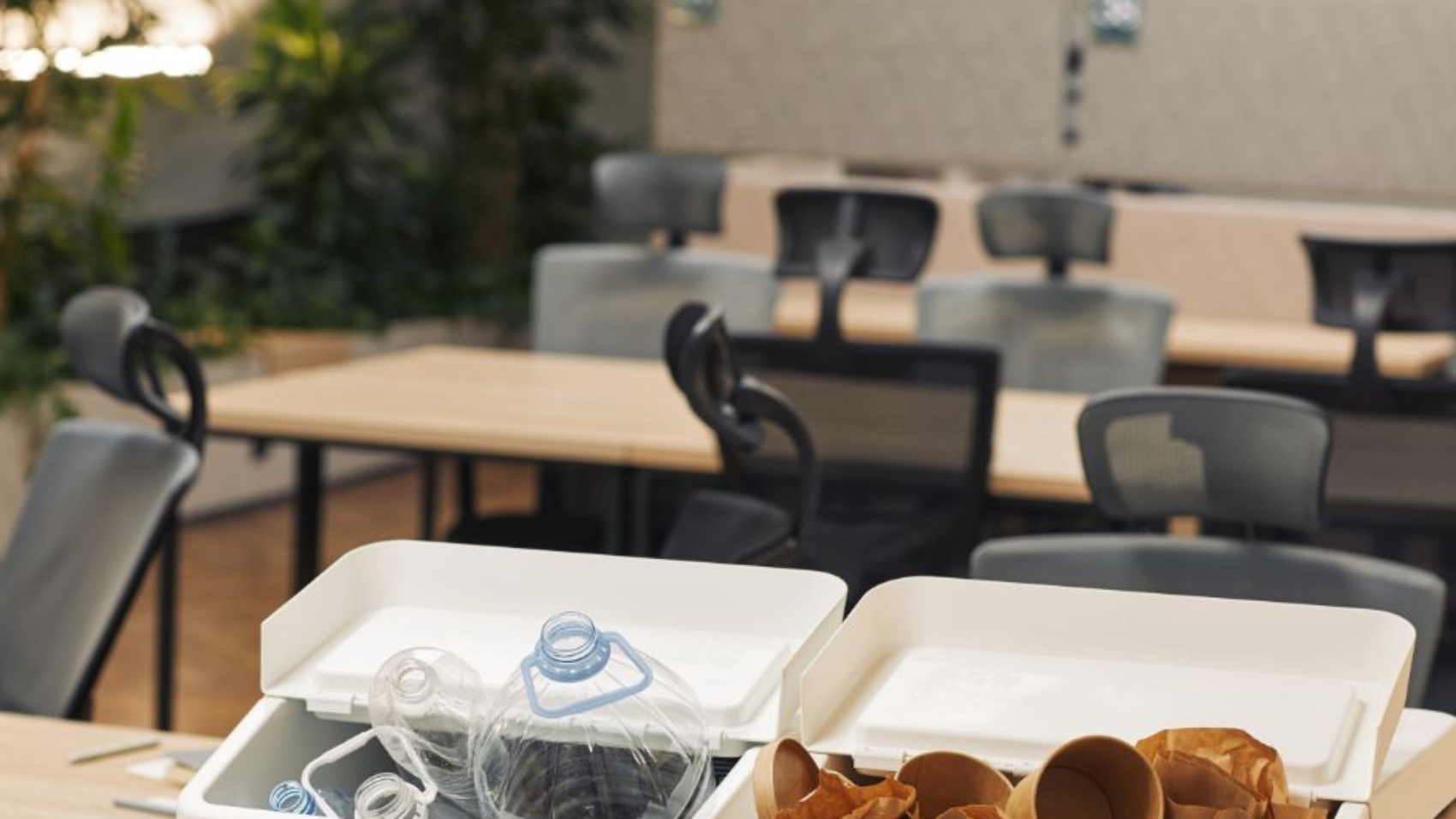
The quest to manage construction and demolition waste for a better planet
In the modern construction landscape, sustainability isn’t just a buzzword; it’s a necessity. As our cities grow and evolve, so does the need to manage construction and demolition (C&D) waste responsibly. Sorting plants play a pivotal role in this endeavor, serving as the frontline guardians of environmental conservation and resource efficiency. The Challenge of C&D […]
How to conduct a workplace waste audit
Whilst everyday Australians, corporations and towns are making big strides to become more energy efficient and sustainable there’s still a lot to be learned from other cultures and communities.
Before you can implement changes you need to understand exactly what sort of waste your workplace is producing, what your current waste management plan is and where the significant gaps for improvement are.
More of the world’s most sustainable cities and how we can learn from them
Whilst everyday Australians, corporations and towns are making big strides to become more energy efficient and sustainable there’s still a lot to be learned from other cultures and communities.
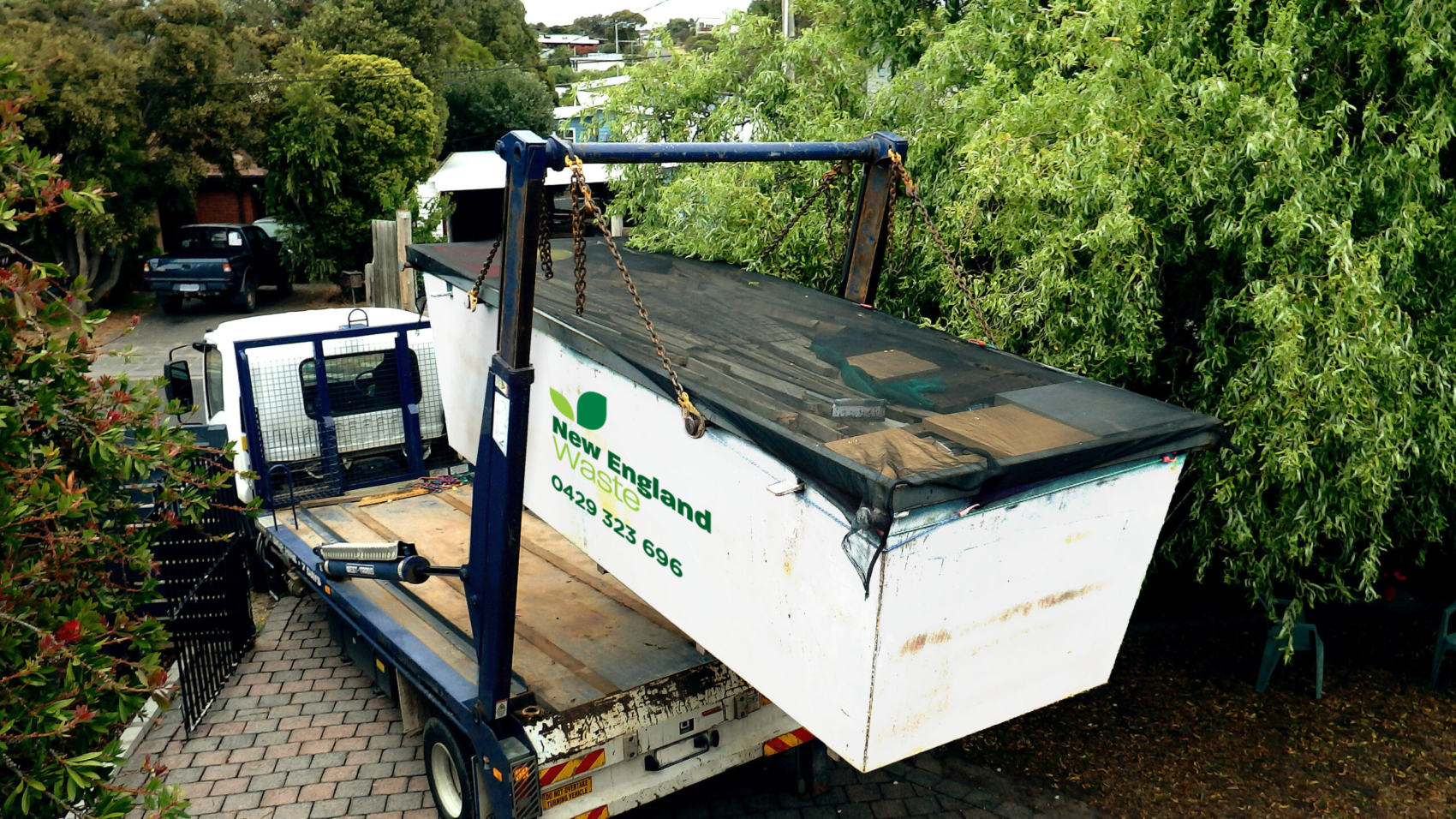
How to pack a skip bin
So you’ve booked a skip bin. Now you need to know how to pack it! Our guide gives you some easy tips for maximising the space in your skip bin to get the most bang for your buck.
Start by separating out your items into categories – wood, metal, household, bulky and flat
Break up bulky items. If possible chainsaw items into smaller pieces, remove the legs off furniture or deconstruct items so they can be laid flat
How technology, ethics and innovation are coming together to solve the war on waste
Waste management is a critical issue and there’s never been a more important time for humans to bring technology to the forefront to create innovative approaches to fight the war on waste. There are a number of global waste management innovations emerging that your business or home could adopt to make a difference: